







Search Results for: bitter grapefruit peel
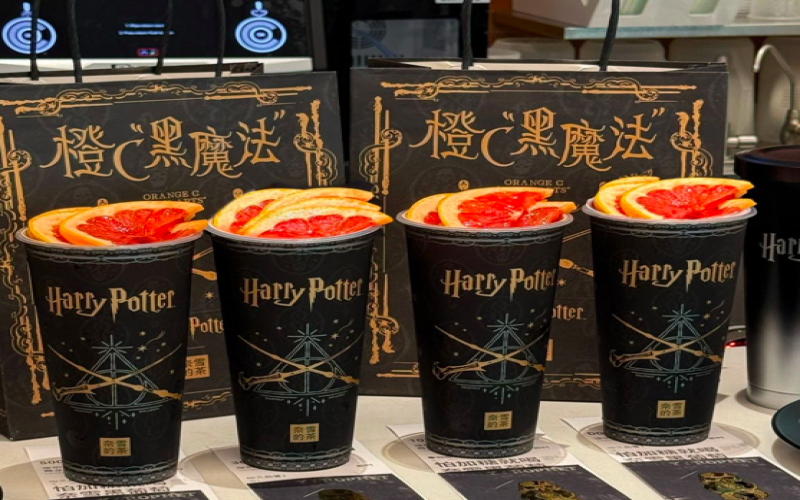
Nayuki's Harry Potter collaboration Halloween limited blood orange grapefruit drink draws consumer complaints over the bitter taste of grapefruit peel
During Halloween, major tea beverage brands have rolled out holiday-exclusive drinks to compete for young consumers. Nayuki has partnered with "Harry Potter" for a second time, launching a "Sugar-Free Blood Orange and Grapefruit" drink themed around Voldemort's "Dark Magic." However, this beverage, which uses blood orange and grapefruit to create a "blood-colored" atmosphere, has drawn complaints from consumers because the grapefruit peel was not removed, and the bitterness intensifies after prolonged steeping. Fans reported that the drink gets more bitter the more they sip, with some describing it as "more bitter than Americano." Nayuki staff explained that the grapefruit peel is kept to show the use of real ingredients, and advised drinking it as soon as possible or picking out the peel oneself. Nevertheless, some fans of the books took the bitterness in stride, saying it fits the Dark Magic theme. [more…]
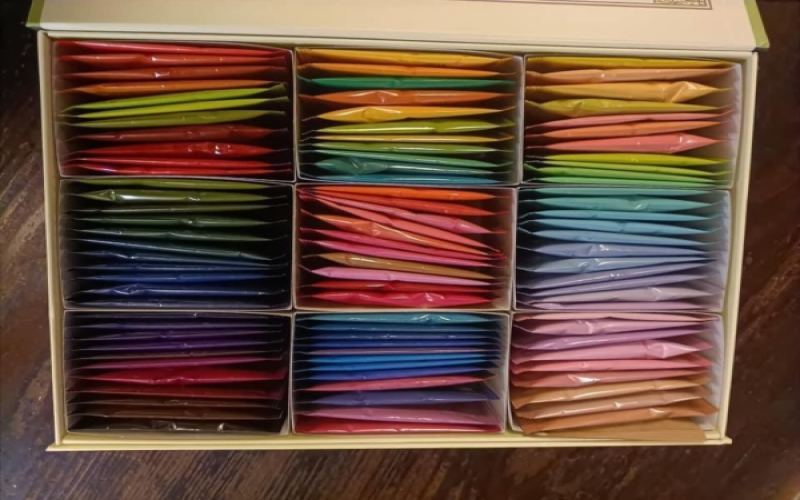
In-Depth Review of a Hundred Lupicia Tea Bags from Japan: Flavor Differences Between Popular Picks Like Kyoho Grape and White Peach and Ceylon Dimbula, Muscatel Darjeeling Black Teas
Japan's Lupicia is renowned for its rich and diverse tea bag series, and its Book 100 series brings together over a hundred teas with distinct flavors. Starting from the top 10 popularity ranking, this article reviews signature offerings one by one, including Kyoho, White Peach Oolong, and TOKIO Tokyo Wild Berry, while also taking an in-depth look at the flavor differences between Ceylon Dimbula and Darjeeling black tea. At the same time, it analyzes the real performance of specialty teas such as Nilgiri, deep-steamed sencha, and Cherry Black Tea. Whether you are a beginner just getting into Lupicia or a seasoned tea drinker looking for an everyday staple, this review can help you find the one that suits you best. Front Street Coffee will also combine tasting experience to share practical advice on selecting and brewing. [more…]
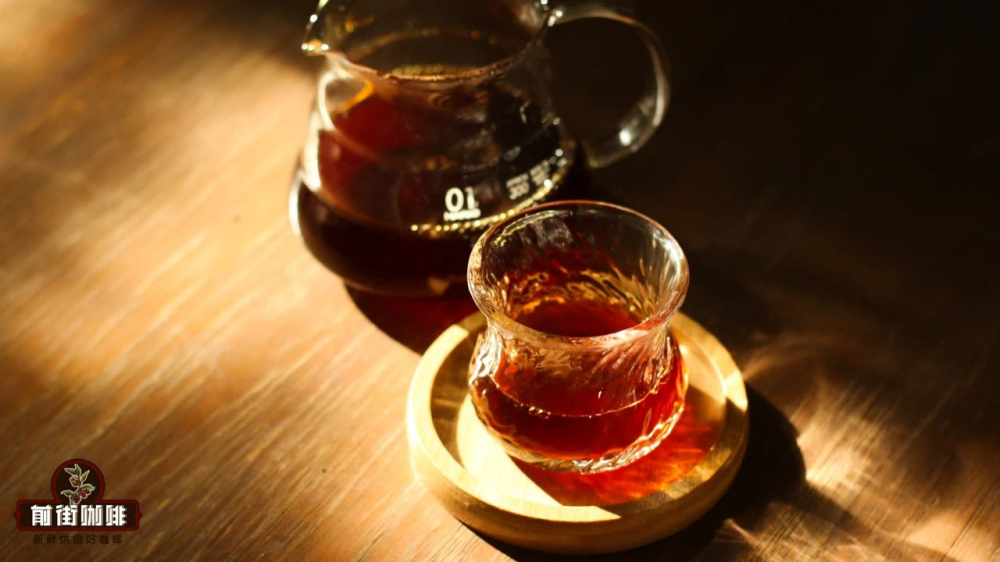
SCA Coffee Sensory Evaluation Course | Why Does Pour-Over Coffee Taste Sour or Bitter? How Should Beginners Taste Single-Origin Black Coffee?
“How do you taste citrus in coffee?” Quite a few friends say they envy baristas for being able to casually name the specific flavors in coffee. Some friends also say, I can taste that the coffee is acidic, but that’s far from the citrus you’re talking about. Still others say flavors are all just nonsense. Front Street, in its daily online [more…]

What exactly does "tea-like" mean in coffee tasting? From sweet aftertaste and salivation to astringency analysis, interpreting the difference between tea-like and astringent sensations
In coffee flavor descriptions, "tea-like" is a concept widely used in China yet constantly debated. Some people understand it as the aroma of a certain kind of tea, some think it is simply the astringency that returns in the mouth, and still others categorize it as a lingering finish reminiscent of tea broth. This article begins with the bitterness and astringency of tea, then sorts through the causes of sweetness returning and saliva being produced, and next draws on the principle of retronasal olfaction to explain why coffee can bring out a tea-like quality, while also clarifying that tea-like and astringent are not equivalent. The article also combines tasting examples from several Front Street Coffee beans to show that the very same "tea-like" quality may be defined very differently in each person's mind. [more…]

Is It Normal That You Can't Taste the Notes on the Coffee Flavor Wheel? Is Localization Necessary? Explained in One Article
Many people who are just getting into specialty coffee are often baffled by the flavors described on packaging or by baristas, and may even wonder whether they are simply not suited to drinking single-origin coffee. In fact, it is not at all unusual to be unable to taste specific flavors—the purpose of the SCA Flavor Wheel is to provide a reference range, not to require you to identify each item one by one. This article discusses the origins of the flavor wheel, the 2016 revised edition, localization attempts in Taiwan and Indonesia, and whether China needs its own local flavor wheel, helping coffee lovers set aside their anxiety and return to the simple pleasure of drinking coffee. [more…]
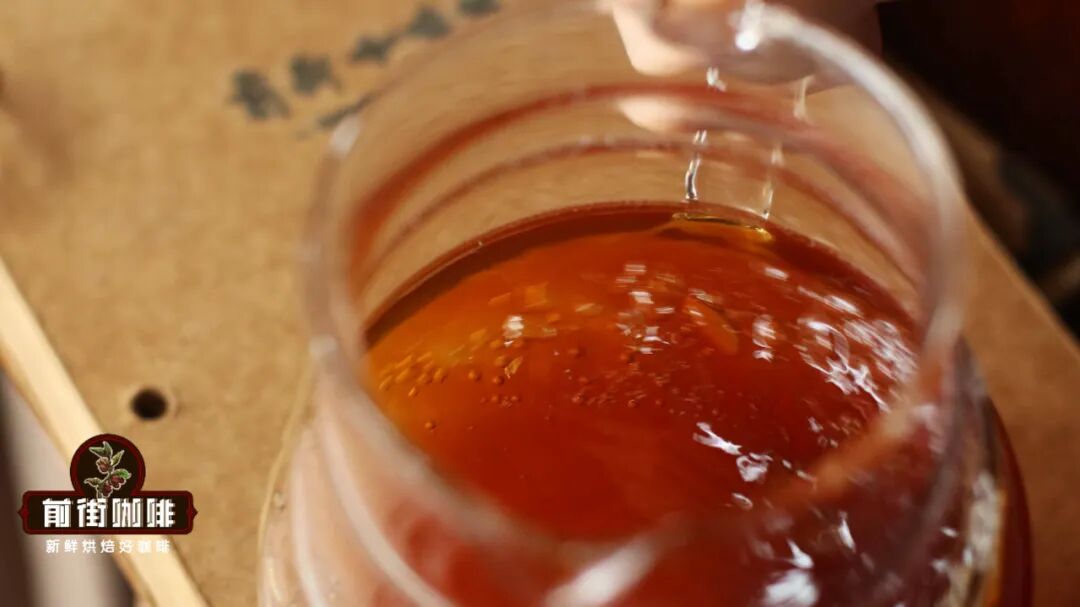
Pour-Over Coffee | For coffee that has cooled down, is it better to reheat it or add ice? Why does coffee's taste change so much from hot to cold?
We all know that brewed coffee will naturally cool down over time, but beyond that, its flavor also undergoes irreversible changes during this process. For example, the originally rich and fragrant aroma has clearly dissipated, dark-roasted coffee becomes less smooth, medium-light roasted coffee highlights its sour and astringent notes even more, and may even develop an unpleasant [more…]
Flavor Characteristics of Major Coffee Regions Around the World: A Guide to Tasting Profiles and Mouthfeel from Africa to the Americas
Even different plots within the same estate can produce coffees with distinct flavors, let alone major regions spanning continents. The three great specialty coffee belts—Asia, Africa, and Central & South America—nurture vastly different flavor profile characteristics due to terroir differences: Ethiopia's floral and citrus notes, Indonesia's rich herbal undertones, and Central America's balanced chocolate character, each with its own following. Before deciding to put a coffee on the shelf, Front Street Coffee repeatedly roasts and cups samples from each region, selecting the most representative lots before recommending them to consumers. This article systematically organizes the flavor characteristics and taste descriptions of major coffee-producing countries worldwide, covering Ethiopia and Kenya in Africa; Indonesia and India in Asia; Guatemala, Costa Rica, and Panama in Central America; and Colombia and Brazil in South America, providing coffee lovers with a complete flavor profile reference. [more…]
How to Describe Coffee Flavors? A Comprehensive Analysis of Flavor Characteristics of Major Coffee-Producing Countries and Regions Worldwide
Even coffee from different plots within the same estate can vary in flavor, let alone regions spanning different countries. The three major specialty coffee regions—Asia, Africa, and the Americas—each display distinctly different regional characteristics due to their unique terroir. Ethiopia's floral and citrus notes and the rich, full-bodied character of Asian coffees each have their own following. When recommending single-origin beans to customers, Front Street Coffee matches them based on taste preferences—those who prefer acidity can choose Front Street Kenya Small Tomato or Front Street Yirgacheffe, while those who enjoy a full-bodied cup can try Front Street Jamaica Blue Mountain or Front Street Golden Mandheling. Front Street currently offers more than 200 specialty coffee beans, and every bean has undergone repeated roasting tests and cupping screenings, only being recommended to consumers after confirming it is representative of its region. The following content is a coffee flavor guide compiled by Front Street after multiple rounds of roasting and cupping of common coffee regions around the world. [more…]
Sarchimor Variety Analysis: Costa Rican Coffee Bean Flavor Characteristics, Price, and Pour-Over Parameters
Costa Rican coffee is famous for its honey processing method, a technique that falls between natural and washed processing, retaining a clean cup while greatly enhancing sweetness and caramel notes. Sarchimor is a disease-resistant variety originating from a Portuguese breeding institution, with disease resistance inherited from Timor and flavor derived from Villa Sarchi, and it has considerable production in both Costa Rica and Brazil. Front Street Coffee focuses on this bean in this issue, breaking down everything from green bean characteristics and roasting curves to cupping performance, and provides specific pour-over recipes along with sweetness, acidity, and bitterness scores. It also includes a brand recommendation of 227 grams for 95 yuan, costing about 6 yuan per cup, offering outstanding value and suitable for everyday drinking. [more…]
A Comprehensive Guide to the New SCAA Coffee Flavor Wheel: From Sour, Bitter, Sweet, and Salty to 85 Flavor Layers
The update to the coffee flavor wheel has made the tasting system more complete, but many people still feel confused when faced with descriptions like citrus, berries, and nuts. In daily brewing, Front Street Coffee recommends beans from different regions based on guests' taste preferences, while accurately identifying flavors requires systematic training. This article starts with the four major taste spectrums—sour, sweet, bitter, and salty—and, combined with the complete classification of the new flavor wheel, interprets one by one the specific expressions of floral, fruity, herbal, nutty and cacao, sweet, spice, sour and fermented, alcoholic fermentation, roasted, and other categories, helping coffee enthusiasts build a clear framework for flavor perception. [more…]
Coffee Aroma Description Guide: An Analysis of 36 Common Aroma Names and Professional Tasting Terminology
When drinking coffee, have you ever encountered a familiar yet indescribable aroma? In fact, perceiving coffee flavors requires systematic cognitive training. In daily cupping and roasting adjustments, Front Street Coffee places particular emphasis on the ability to identify coffee flavors. This article starts with coffee's four major tastes—sour, sweet, bitter, and salty—and, combined with the classification logic of the flavor wheel, breaks down in detail 36 common aroma names across floral, fruity, green/vegetal/herbal, nutty/cocoa, sweet, spicy, sour/fermented, alcoholic fermentation, roasted, and other categories, along with specific representative coffee beans and Front Street's tasting suggestions, to help you more accurately describe and enjoy a cup of coffee's layers and lingering finish. [more…]
SCAA Pour-Over Specialty Coffee Flavor Wheel High-Resolution Download and Systematic Knowledge of Flavor Terminology
The coffee flavor wheel is a recognized tasting tool in the specialty coffee community, but when faced with descriptors like citrus, berries, nuts, and chocolate, many people don't know how to match them. Starting from the high-resolution image of the latest SCAA flavor wheel, this article systematically sorts out the compositional logic of coffee flavor: the relationship between the four basic tastes of sour, sweet, bitter, and salty and the roast level, the proportion data of each taste substance, the subdivision of the acidity spectrum, bitterness spectrum, sweetness spectrum, and saltiness spectrum, as well as an item-by-item analysis of the nine major flavor groups including floral and fruity, green and herbal, nutty and cocoa, sweet, spicy, sour and fermented, alcoholic fermented, roasted, and other. The article also intersperses Front Street Coffee's daily training methods and representative bean recommendations, helping readers build a complete tasting framework from smelling to drinking. [more…]
A Complete Guide to Honduran Coffee: Six Major Regions, Grading System, Bean Characteristics, and Front Street Coffee's Top Picks
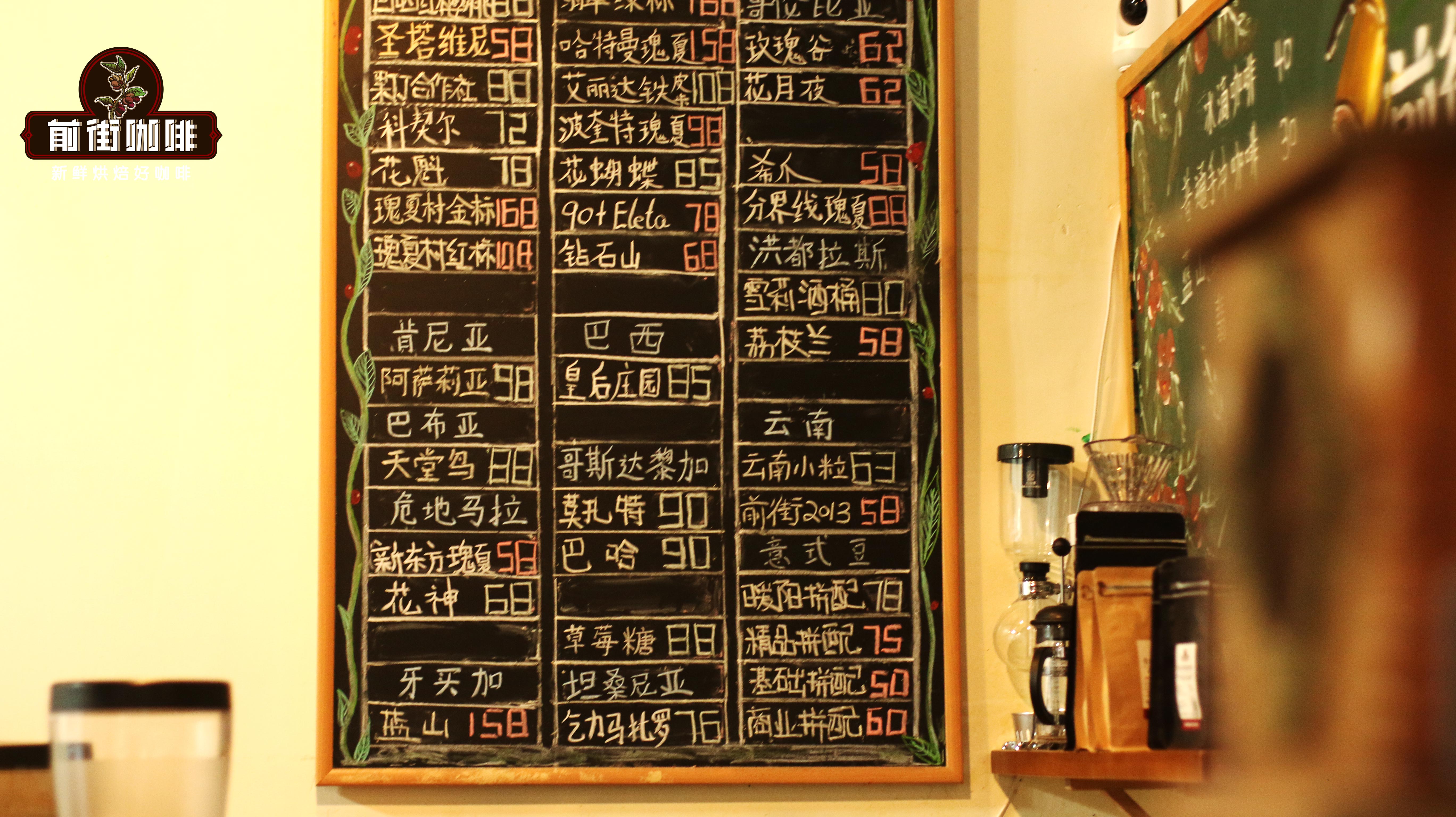
Honduras is the largest coffee-producing country in Central America and a major global exporter of washed Arabica beans. Coffee here is known for its exotic spice-like aromas, rich nutty and chocolatey finish, and balanced complexity. Since its introduction in the late 18th century, Honduran coffee has gone through a tortuous journey from lagging behind to rising, and today it has six major regions including Copán and Opalaca, as well as a strict grading system based on altitude and defect rate. This article will give you a comprehensive understanding of Honduras coffee's geographical conditions, development history, regional distribution, processing methods, and main varieties, and introduce specialty coffee beans selected by Front Street Coffee, such as Sweet Orange Estate, Mocha Estate Sherry, and Lychee Orchid. [more…]
A Complete Guide to African Coffee Origins: Flavors and Signature Beans from Ethiopia, Kenya, and Beyond
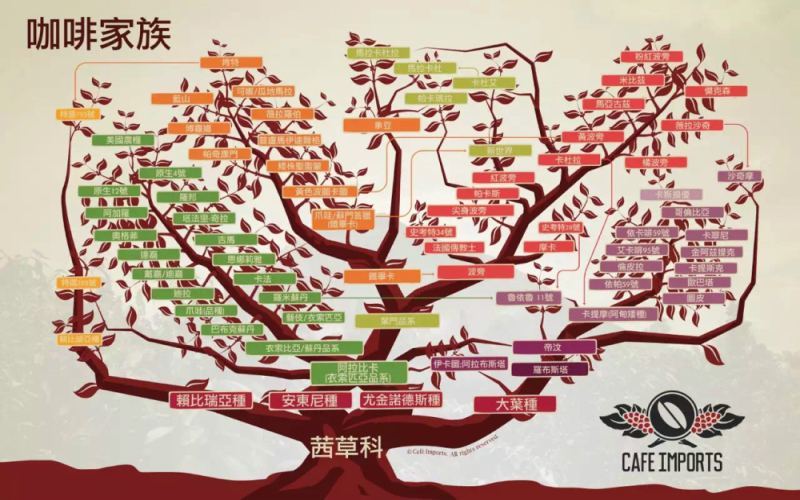
Africa, as the continent where coffee originated, has given rise to coffee-producing regions with distinctly striking styles, among which Ethiopia and Kenya stand out in particular. This article systematically reviews the regional characteristics, variety systems, and processing methods of Africa's major coffee-producing countries—Ethiopia, Burundi, Kenya, Rwanda, and Tanzania—and introduces one by one the representative beans from each country currently sold by Front Street Coffee, covering popular lots such as Yirgacheffe, Sidamo, Gesha Village, and Kenya Little Tomato. Whether you prefer bright fruity acidity or rich fermented aromas, you can find your ideal choice on this African coffee map. [more…]
Geisha Coffee Variety Classification and Flavor Analysis: The Legendary Journey from Ethiopian Heirloom Varieties to Panama's Hacienda La Esmeralda
Geisha is a highly acclaimed top-tier variety in the coffee world, but which variety does it actually belong to? Is it Arabica? What makes its flavor and mouthfeel so unique? How does its acidity perform? This article traces Geisha's legendary journey from its discovery in the forests of the Gesha region of Ethiopia in 1931, through Kenya, Costa Rica's CATIE, and finally to its spectacular rise at Hacienda La Esmeralda in Panama. It also compares the differences in bean appearance and flavor between Panamanian Geisha and Ethiopian Geisha, and shares Front Street Coffee's brewing reviews of Hacienda La Esmeralda's Red Label and Gesha Village's Gold Label, offering you a comprehensive understanding of this fascinating variety. [more…]
A Complete Guide to Mamba Blend Coffee: Front Street Coffee Recreates the Classic Flavor with Lintong Mandheling and Brazil Red Bourbon
Mamba coffee is a classic blend combining Indonesian Mandheling and Brazilian coffee. In this article, Front Street Coffee uses Lintong Mandheling and Brazilian Red Bourbon, two medium-dark roasted beans, blended at a 1:1 ratio, to take you through the charm of this legendary recipe. The article will introduce one by one the growing regions of Mandheling and its unique wet-hulling process, the characteristics of Brazil's semi-washed processing, and include a complete pour-over recipe: 88℃ water temperature, Kono dripper, 1:15 water-to-coffee ratio, and staged pouring. The brewed coffee has a high body, a pronounced bitter note, and combines dark chocolate and herbal flavors, making it suitable for friends who love a rich, full-bodied taste. [more…]
A Complete Analysis of Honduran Coffee Bean Origins and Flavors: From Geographical Conditions to Six Major Regions, Varieties, and Processing
Honduras is the largest coffee-producing country in Central America and an important global supplier of washed Arabica beans. This article will systematically introduce the flavor characteristics of Honduran coffee beans and the reasons for their popularity from the perspectives of geography, historical development, the grading system, the six major producing regions, varietal characteristics, and processing methods. Through field investigations and repeated cupping, Front Street Coffee has listed a number of Honduran beans with diverse styles, covering producing regions such as Copán, El Paraíso, and Marcala, featuring both the clean fruit acidity of washed beans and the unique wine aroma of barrel-fermented beans, offering coffee enthusiasts a rich variety of choices. [more…]
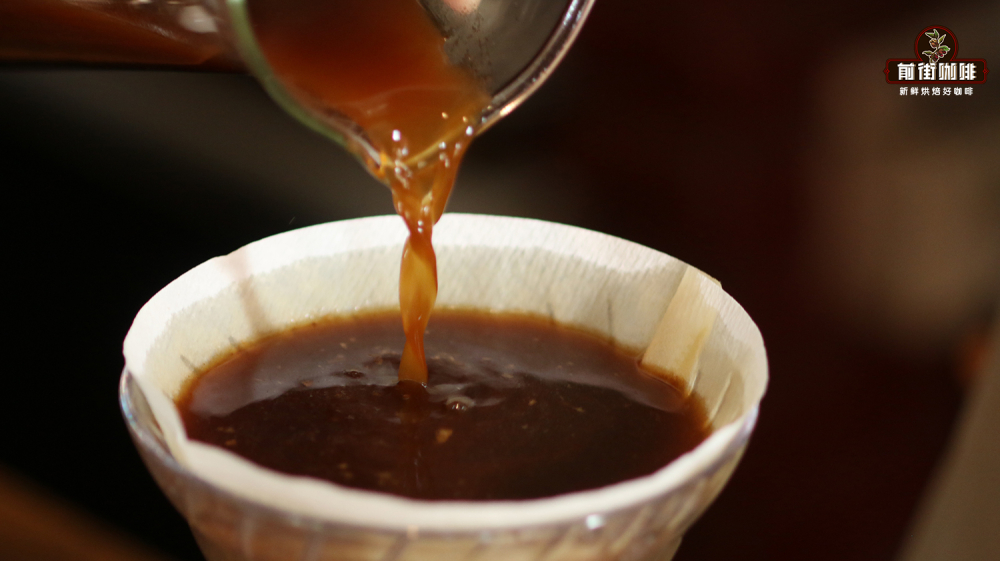
Cold Brew Coffee Benefits | Is There a Big Difference in Flavor and Mouthfeel Between Cold Brew and Drip Coffee? Step-by-Step Guide with Illustrations for Making Cold Brew and Ice Drip
For more specialty coffee knowledge, please follow our WeChat official account: Front Street Coffee (FrontStreet Coffee). On a hot day like this, if the handsome guys and pretty girls reading this don't have a cold drink in hand when they go out, how can they do right by themselves? And as coffee lovers, that cold drink has to be coffee, of course. [more…]
Flavor Analysis and Pour-Over Parameter Recommendations for Costa Rican Sarchimor Red Honey Process Coffee Beans
Today, Front Street Coffee would like to share with you a Costa Rican coffee from the Western Valley: a Sachimo variety bean with red honey processing. This bean is produced by the Alchimia Estate and processed at the Cerro San Luis micro-mill, at an altitude of about 1,550 meters. As one of the two mother varieties of disease-resistant coffee worldwide, Sachimo has considerable production in both Costa Rica and Brazil, and its flavor heritage comes from Villa Sarchi. Red honey processing retains about 75% of the mucilage, giving the coffee higher sweetness and caramel notes. This article will provide a complete breakdown of this bean's flavor performance and brewing approach from the perspectives of the mill's background, the principles of honey processing, the traceability of the green bean variety, roast profile design, and pour-over parameter recommendations, for the reference of coffee enthusiasts. [more…]
The Origin and Evolution of Geisha Coffee Beans: How to Accurately Identify the Truth and Falsehood of Geisha Historical Claims
Geisha coffee beans now frequently appear in major coffee competitions, becoming a star variety in the specialty coffee world. Where exactly did it come from, and how did it step by step reach the world stage? This article will start with the variety definition and origin of Geisha, sorting out its development trajectory from the forests of Ethiopia to Panama's Hacienda La Esmeralda, and provide a detailed interpretation of Hacienda La Esmeralda's Red Label, Green Label, and Blue Label Geisha grading systems and their respective flavor characteristics. At the same time, Front Street Coffee will share years of cupping and roasting experience, analyzing methods for identifying Geisha green beans, light-roast approaches, and brewing suggestions, helping coffee enthusiasts clarify the true and false claims in Geisha's history. [more…]